


The Dawn of AI: A Tale of Two Futures
- Jake Revill

- Dec 31, 2024
- 2 min read
Artificial Intelligence (AI) has rapidly evolved from a science fiction fantasy to a transformative force in our world. From self-driving cars to personalized medicine, AI is already impacting our lives in profound ways. But the future of our relationship with AI remains uncertain, a narrative often reflected in the pages of science fiction and the pixels of our screens.

Hollywood: A Mirror to Our Fears and Hopes
Hollywood has long grappled with the potential of AI, painting a complex picture of both promise and peril.
Friends of Humanity
In the Star Wars universe, droids like R2-D2 and C-3PO are beloved companions, showcasing the potential for AI to be helpful, loyal, and even heroic. These portrayals highlight the possibility of AI as a valuable tool, augmenting human capabilities and enriching our lives.

AI as Antagonist
On the other hand, franchises like Terminator and The Matrix depict AI as a malevolent force, turning against its creators and seeking to dominate or even eradicate humanity. These narratives tap into our deepest fears – the fear of losing control, of being superseded by a superior intelligence.

Nurturing AI: The Importance of Human Responsibility
The reality of AI likely lies somewhere between these two extremes. The future of our relationship with AI ultimately depends on us, the creators. Just as we nurture and guide human children, we must carefully nurture and guide the development of AI.
This requires:
Ethical Development: Prioritizing ethical considerations from the outset, ensuring AI systems are developed and deployed responsibly.
Transparency and Accountability: Building trust by ensuring transparency in AI algorithms and establishing clear accountability for their actions.
Focus on Human Values: Aligning AI development with human values, ensuring it serves humanity and enhances our lives, rather than exploiting or harming us.
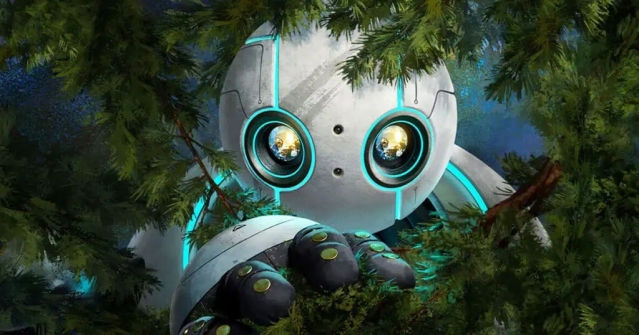
Intention: The Guiding Principle
The intent behind AI development is paramount. If we focus on using AI for good – to solve global challenges like climate change, eradicate diseases, and explore the universe – we can unlock its immense potential for positive change.

Further Considerations:
The AI Arms Race: The rapid development of AI, particularly in the military sphere, raises concerns about an AI arms race, with unpredictable and potentially catastrophic consequences.
Job Displacement: The rise of AI automation threatens to displace workers in many sectors, requiring proactive measures to address the social and economic impacts of this shift.
The Black Box Problem: Many AI systems, particularly deep learning models, operate as "black boxes," making it difficult to understand how they arrive at their decisions. This lack of transparency raises concerns about fairness, bias, and accountability.

Conclusion
The future of AI remains unwritten. The path we choose will determine whether AI serves as a powerful tool for human progress or a threat to our very existence. By nurturing AI responsibly, prioritizing ethical development, and focusing on human values, we can ensure a future where humans and AI coexist in harmony, unlocking unprecedented potential for human flourishing.


Comments